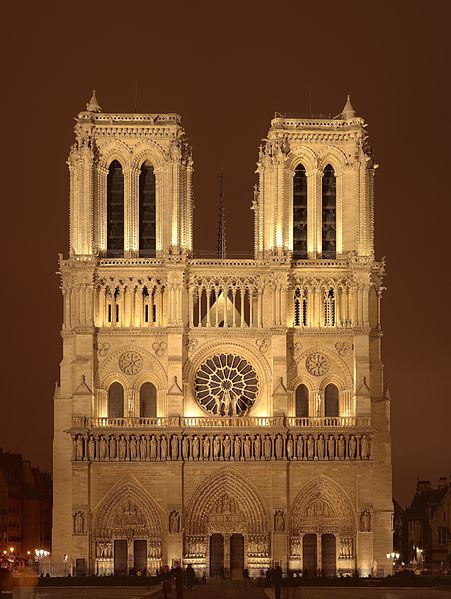
Notre Dame De Paris
Since I took a survey of Architecture once in college this clearly makes me an expert in the subject. Every Monday in September the Hunchblog is going to look at the building behind the book Notre Dame de Paris Cathedral.

Les Miserables and Notre Dame de Paris are both originally by Victor Hugo, both have been given the popular musical treatment and they have very similar endings. Both endings deal with death and dying But which one is more tragic or dare I say “Miserable?”
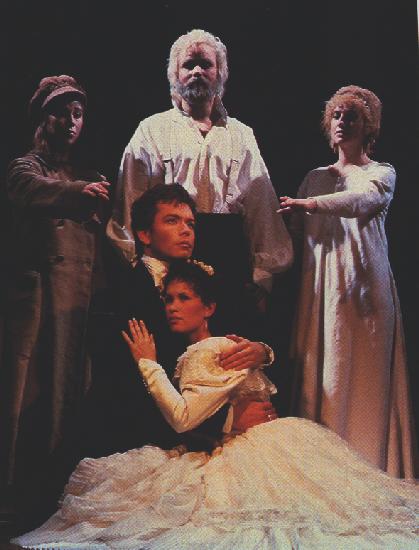
Les Miserables Finale
If you want to get all technical, it’s Les Miz 
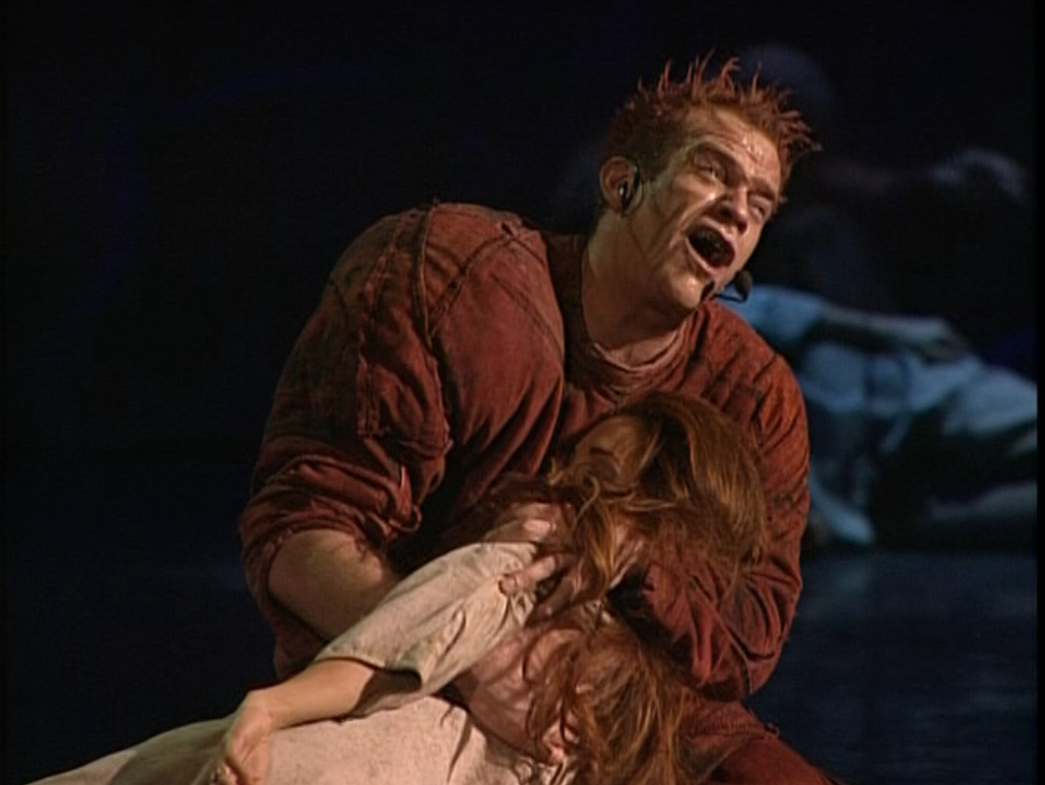
Notre Dame de Paris Ending
Now if we compare it to the Notre Dame de Paris
Which ending do you find more Tragic? Clearly, I’m in the NDdP camp.
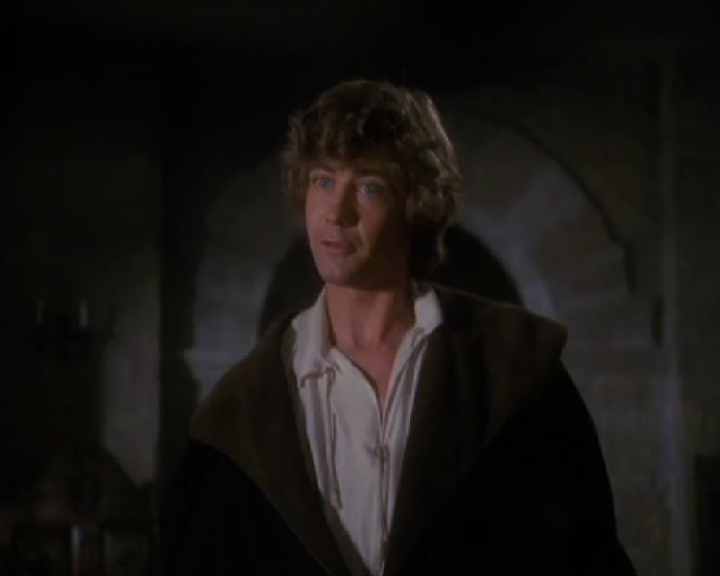
Gerry Sundquist as Gringoire, 1982 Hunchback of Notre Dame
Essentially, the 1982

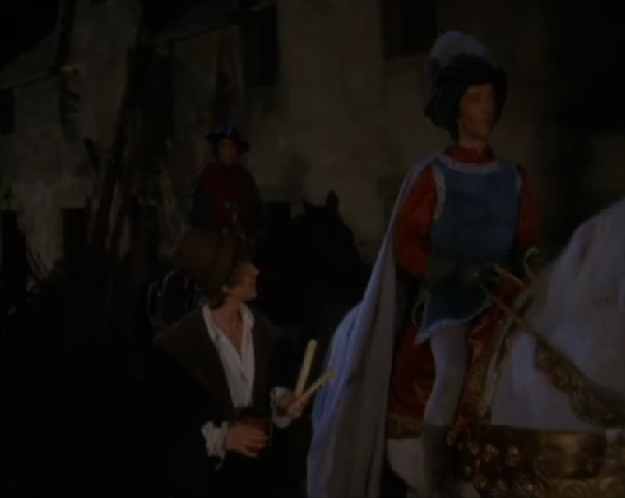
Gerry Sundquist as Gringoire & Robert Powell as Phoebus, 1982 Hunchback of Notre Dame
The 1982 Gringoire has some new facets to the characters. First we see Gringoire trying to sell some sonnets. I think this is the first and only time we see him doing this. he also is the only Gringoire to write a poem for Esmeralda. He is also the first and only Gringoire to get very jealous at Esmeralda’s adoration for Phoebus.
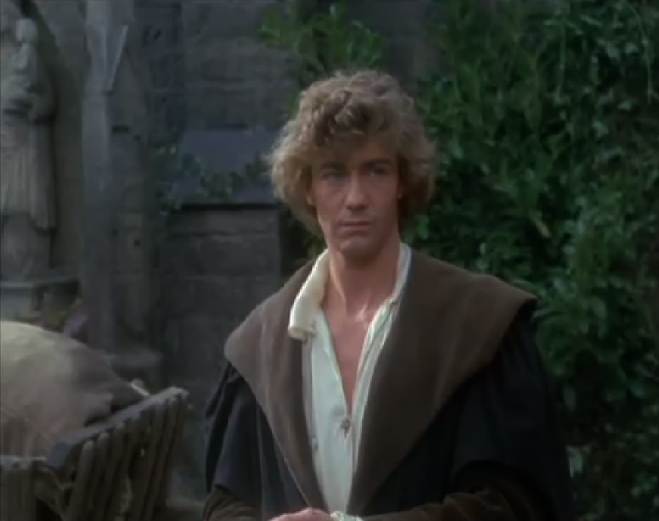
Gerry Sundquist as Gringoire, 1982 Hunchback of Notre Dame
Aside from these instances of character the 82 Gringoire is very much like 1939 version. However, the 1982 version of Gringoire feels more like a real person. The 1939 version was a bit too nice and perfect. He doesn’t seem as in control the same way as the1939 version. This one gets jealous and petty in regards to Phoebus and his utter desperation to save Esmeralda while really expecting nothing makes him compelling.
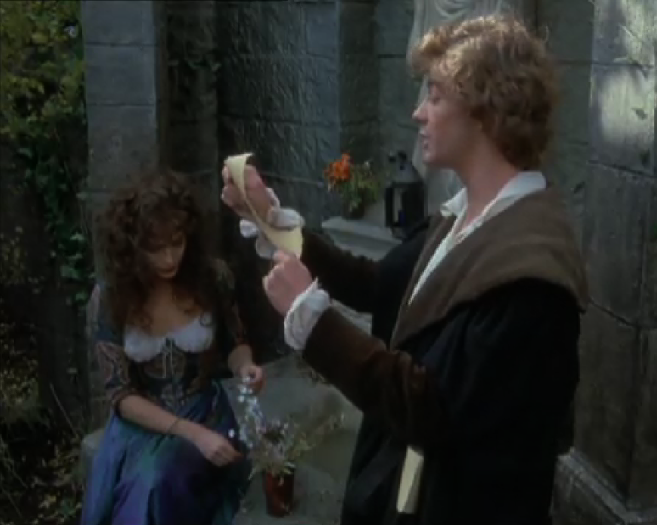
Gerry Sundquist as Gringoire & Lesley-Anne Down as Esmeralda, 1982 Hunchback of Notre Dame
Is it the 1982 version of Gringoire greatest bestest Gringoire ever? No but it’s not an offensive depiction and it’s solid which consider most adaptation of the story is a very good thing (having flashbacks to Enchanted Tales version of Gringoire).
Next 1982 version Article; Jerky Jerk Phoebus
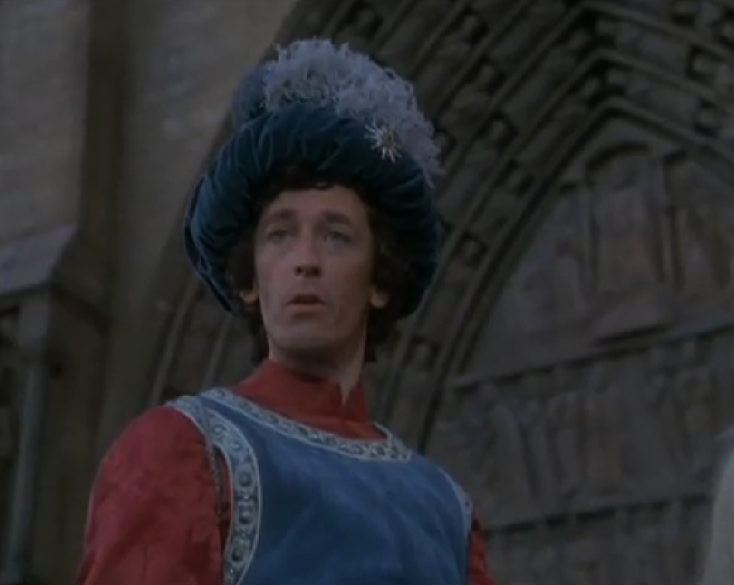
Robert Powell as Phoebus, 1982 Hunchback of Notre Dame
I was watching Screen Junkies Hottest Animated characters (watch here) and the first group they discussed were Disney Princesses and this picture came out
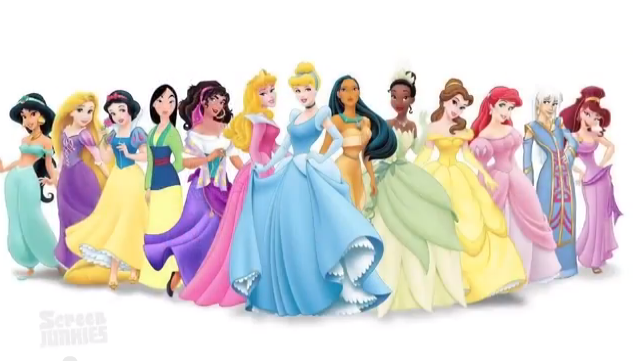
Disney Princess Line UP with Esmeralda, Megara and Kida taken from Screen Junkies
My first thought was “Is Esmeralda a Princess now?” But the Host, Hal Rudnick picked her, so shrugs on that one. they also didn’t quite get Esmeralda character down. But where is that picture come from? I would venture it’s photoshopped.
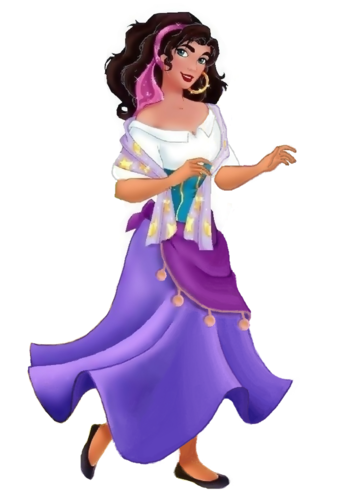
Esmeralda as a Disney Princess
But I think it’s high time Esmeralda, Megara and Kida joined the ranks or Disney should create a brand for older girls. I mean come on Disney, you’re wasting a demographic opportunity here.
While the prospect of an English movie version of Notre Dame de Paris
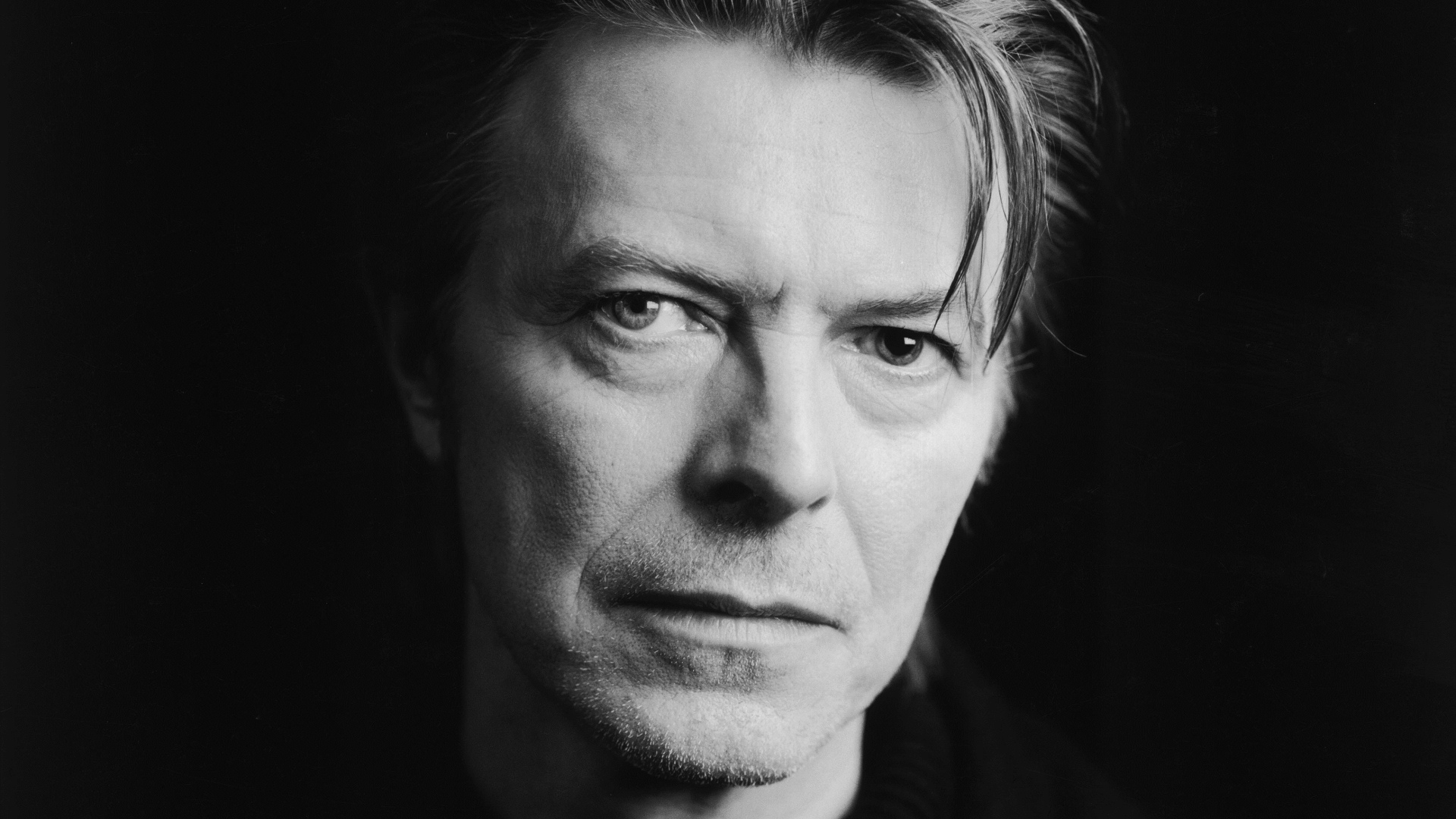
David Bowie
I think David Bowie would make a great Frollo. First off, he can sing and he has a lot of theatrically to his voice which is necessary for Frollo. Second, he can act.

David Bowie as Jareth from Labyrinth
Bowie is most well known for his role as Jareth the Goblin King in Jim Henson’s Labyrinth. Jareth on the surface isn’t the most complex role but there is a lot shades of complexity which Bowie communicates very well.
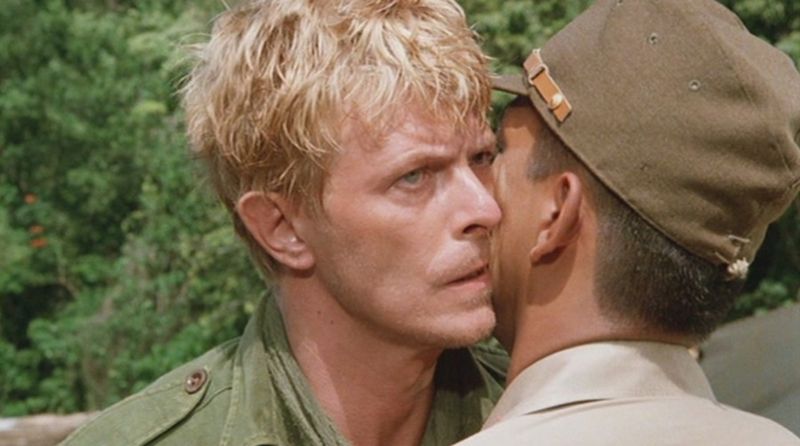
David Bowie as Maj. Jack ‘Strafer’ Celliers in Merry Christmas Mr. Lawrence
He did play a more dramatic and complex role in Merry Christmas Mr. Lawrence 
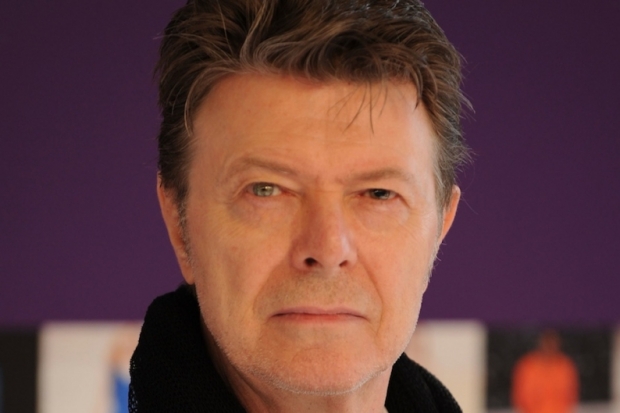
David Bowie
David Bowie also has a good angler look for Frollo. He just seems to be an all round great choice for the role.
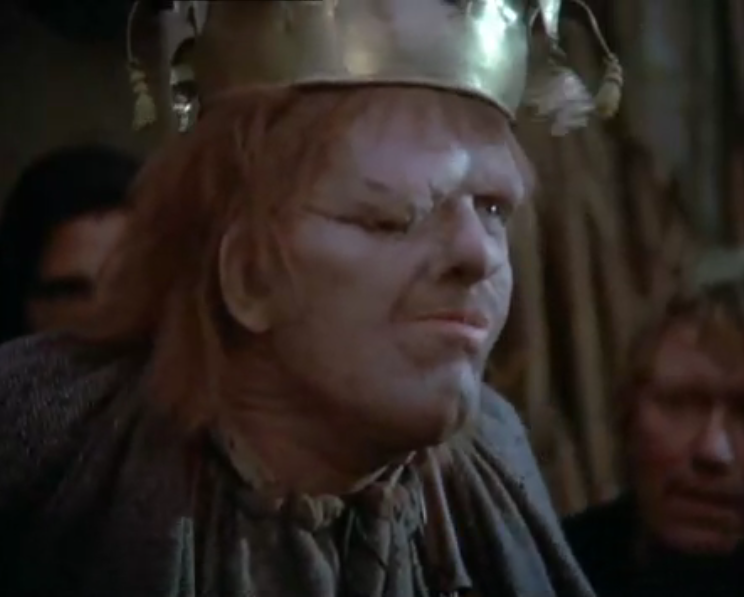
Anthony Hopkins as Quasimodo, 1982 Hunchback of Notre Dame
The 1982 version
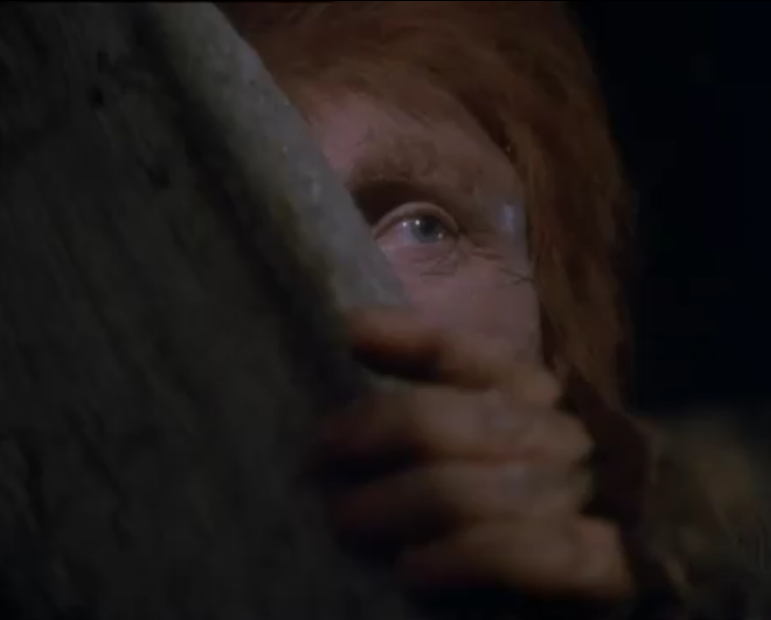
Anthony Hopkins as Quasimodo, 1982 Hunchback of Notre Dame
Alright, is all serious Hopkins plays Quasimodo pretty much like Laughton 1939 version. He is very sympathetic and humanized. He doesn’t have any malice in his personality. There is few difference to this Quasimodo verses the 1939.

Anthony Hopkins as Quasimodo and Lesley-Anne Down as Esmeralda, 1982 Hunchback of Notre Dame
First the big one, Quasimodo dies in this version. Frollo stabs him while he is protecting Esmeralda. Now this is the second time Quaismodo has died as a result of Frollo stabbing but this is the first time where Quasimodo kills Frollo by impaling him on a large nail. It rob Frollo of his dramatic death. But seeing how Quasimodo doesn’t exactly go into a fit of rage it’s a mute point.
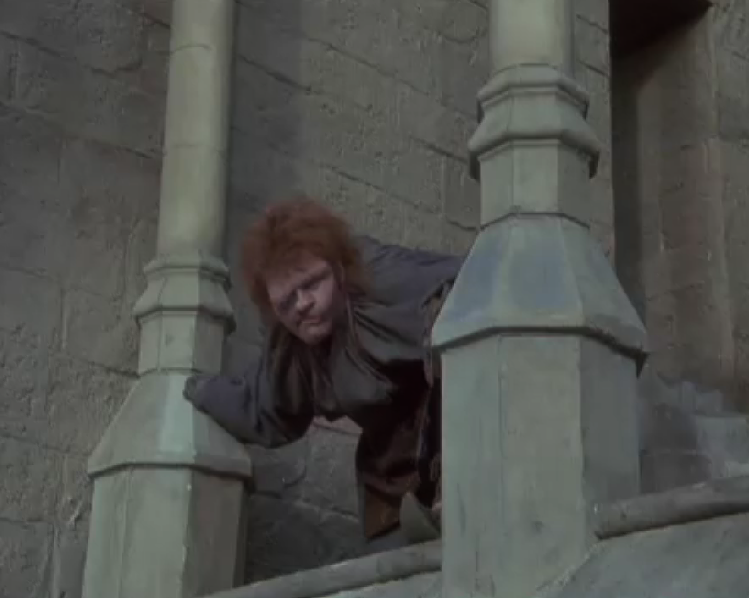
Anthony Hopkins as Quasimodo, 1982 Hunchback of Notre Dame
As Quasimodo doesn’t swing down from Notre Dame. Instead he climbs down and fights off the guard and carries her in. It’s less dramatic but it have good tension and action.
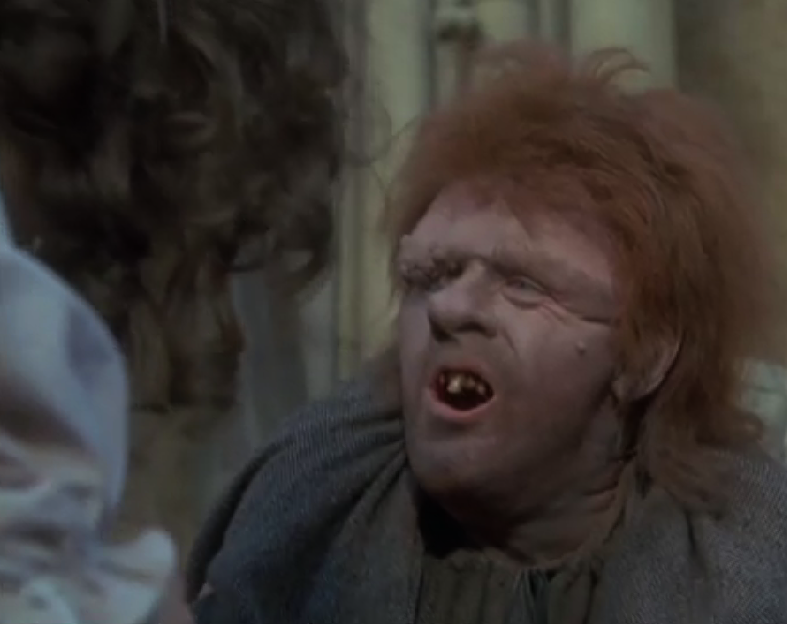
Anthony Hopkins as Quasimodo, 1982 Hunchback of Notre Dame
Let’s talk about his looks. Quasimodo has a very 80’s style haircut. It’s like a mullet. His protrusion is more wart like. The teeth were very jagged. It a good look except for the hair it’s too silly 80s hair.
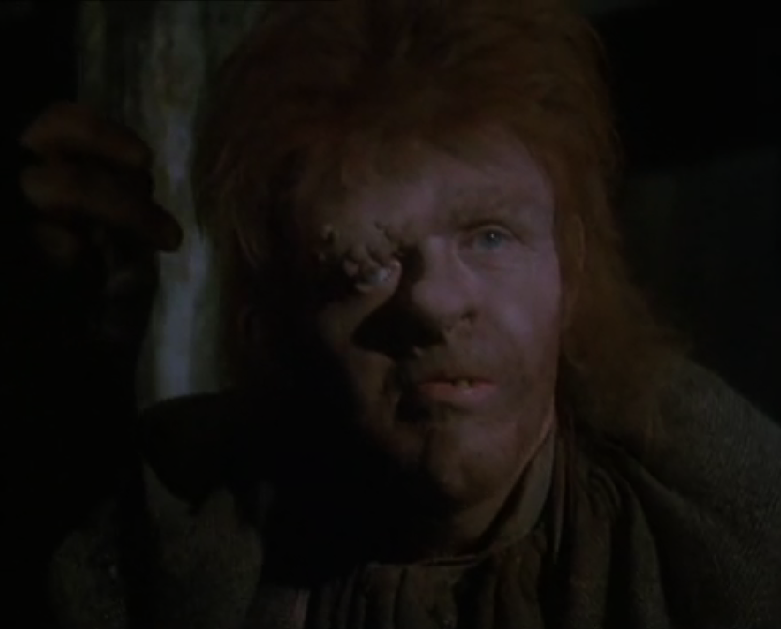
Anthony Hopkins as Quasimodo, 1982 Hunchback of Notre Dame
Another difference between the 82 and the 39 version is in was they approach to the character’s lines. Laughton plays him with a lot of pathos and sympathy. Hopkins has a great combination of pathos and jovial-ness to his dialogue.
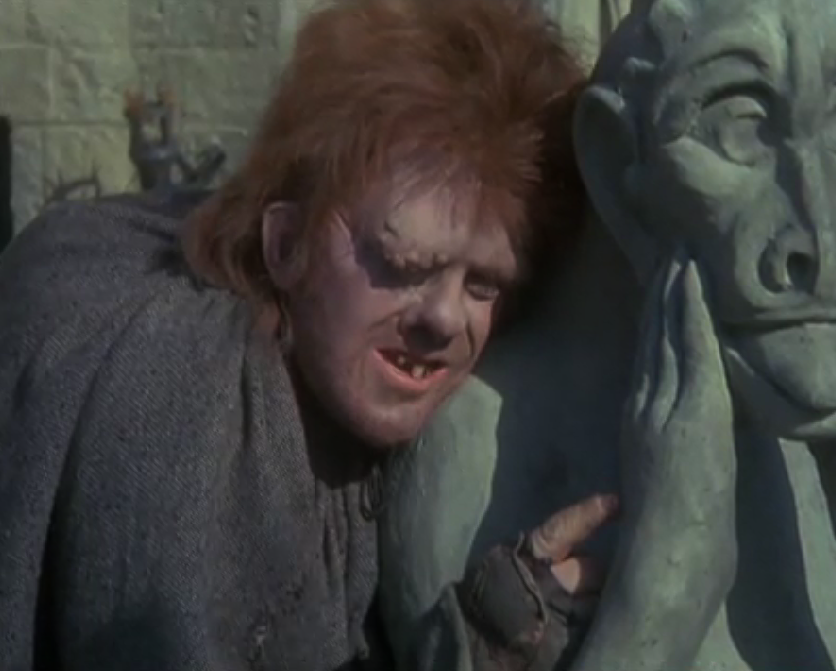
Anthony Hopkins as Quasimodo, 1982 Hunchback of Notre Dame
While this version is comparable to the 1939 version Hopkins does brings a new angle to the sympathetic Quasimodo and it’s a very good depiction of Quasimodo except for that mullet.
Next 1982 Article

Gerry Sundquist as Gringoire, 1982 Hunchback of Notre Dame