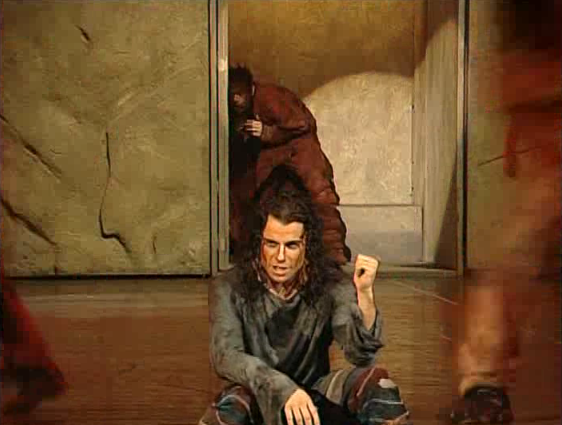
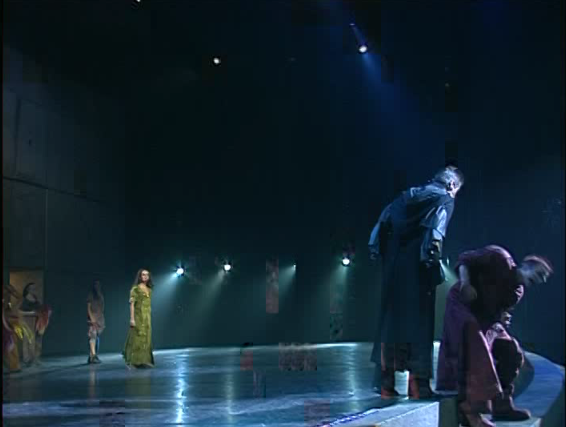
Esmeralda and Quasimodo in Notre Dame Ma Maison c'est ta maison garou helene Segara Notre Dame de Paris picture image

Esmeralda and Quasimodo in Notre Dame

Despite its flaws Notre Dame de Paris is the one of the best adaptions of the novel. It captures the spirt of Hugo and the characters better than any other version to date. Is it perfect? No but you don’t get much closer to the book and it does it own thing very nicely. And it brought musicals back to France.

Notre Dame de Paris Belle Esmeralda Helen Segara, Garou Quaismodo, Frollo Daniel Lavoie Phoebus Patrick fiori picture image

Belle with Garou, Daniel Lavoie, Patrick Fiori and Helene Segara

Easily this my favorite version. To be honest, I could spend more time on Notre Dame de Paris since I didn’t really get into the any of the other casts. In fact that is something I have always wanted to do even before thehunchblog officially started. I more than likely will return to Notre Dame de Paris and discuss the various casts more probably on Wednesdays at various interval, since Wednesdays are like a free-for-all day. Heck, there is a new Italian tour going on so there are a lot of casts to get through and I would like to discuss more about the costumes.

Garou as Quasimodo & Helene Segara Danse mon Esmeralda,Notre Dame de Paris picture image

Garou as Quasimodo and Helene Segara performing Danse mon Esmeralda

So this isn’t good-bye but a see you later Notre Dame de Paris.

Next month is a theme month (Guess the theme if you dare), so there won’t be a version starting in October. Next version starts in November and trust me when I say it’s one of the infamous bad ones.

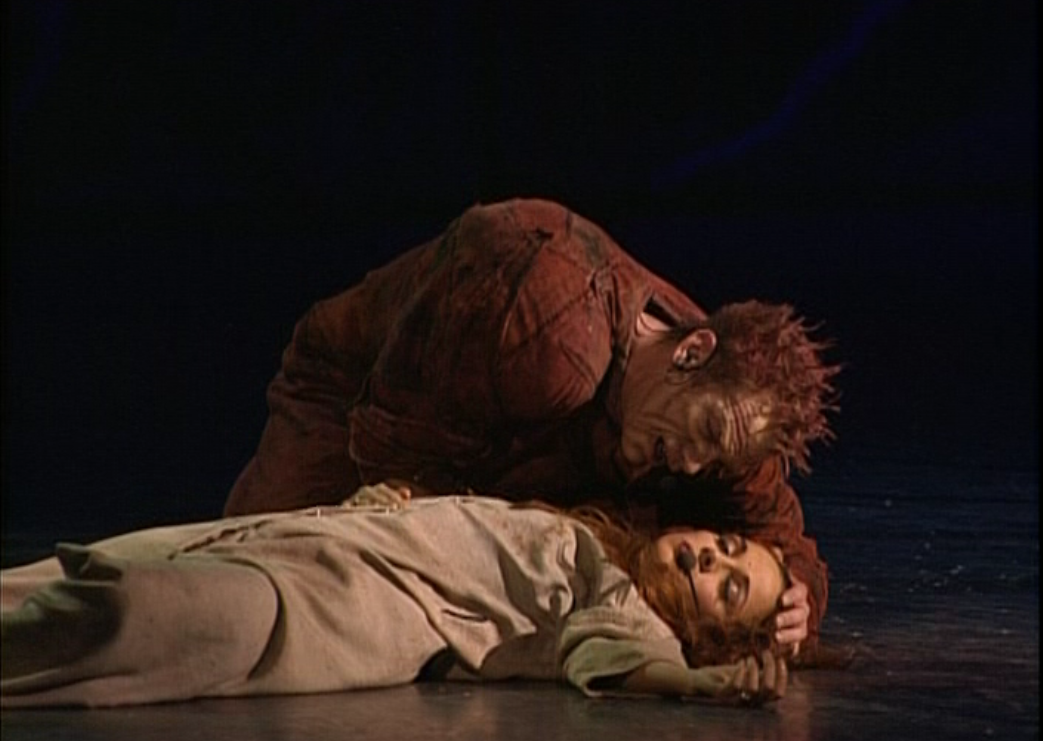
Donnez-la moi (Give her to me)

Garou as Quasimodo and Helene Segara as Esmeralda performing  Donnez-la moi Notre Dame de Paris picture image

Garou as Quasimodo and Helene Segara as Esmeralda performing Donnez-la moi

Donnez-la moi is a bridge song. It’s Quasimodo literally fighting guards to get to Esmeralda’s body to claims it. It’s roughly thirty seconds long but it so sad.

Danse mon Esmeralda (Dance my Esmeralda)

Garou as Quasimodo & Helene Segara Danse mon Esmeralda, Notre Dame de Paris picture image

Garou as Quasimodo and Helene Segara performing Danse mon Esmeralda

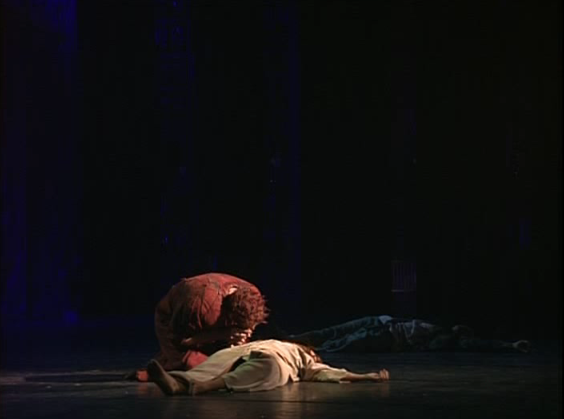
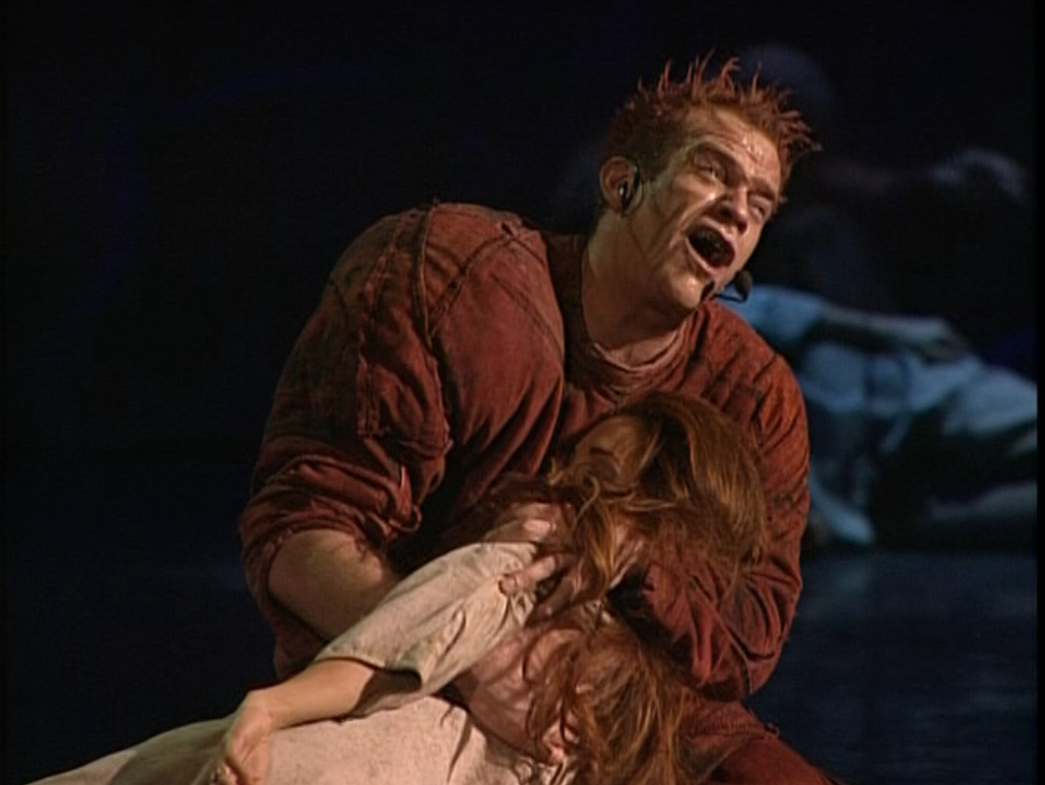
Speaking of sad. Danse mon Esmeralda is the show tear-jerking finale. I challenge you not to feel sad during this song because it is heart-breaking. Quasimodo sings this to a dead Esmeralda and begs her to dance and sing for him and to let him go with her as in death they will unite.

Quasimodo learns that his deformity has lead him to this moment and that to die for Esmeralda is not death but an expression of his love.

This is beautiful and heartfelt. I get chills listening to it and it also leaves my misty eyed. The three dancers that are lifted in the airt gives this songs a even more transdential quality.

Musically, lyrically and contextually this is the best song in the show and was the perfect way to end it. Though the curtain call does have the whole cast singing Le Temps together in a super happy way so the audience doesn’t go home too bummed but Danse Mon Esmeralda fit the ending of the book and way a great note to end the show. A+++

Get the whole GLORIOUS ALBUM HERE

Dieu que le monde est injustice (God made the world unfair)

Garou as Quasimodo Notre Dame de Paris picture image

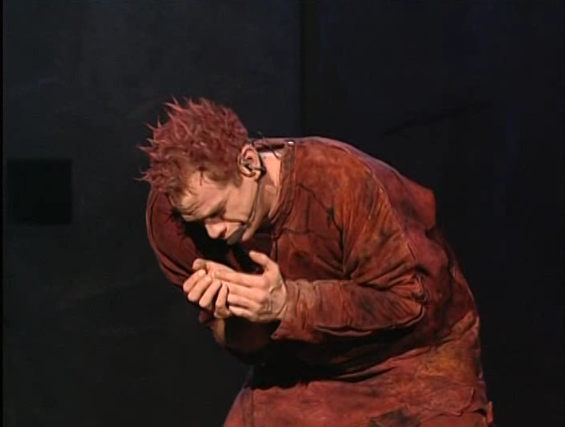
Garou as Quasimodo

Dieu que le monde est injuste is heartbreaking. Quasimodo sings as a lament that Esmeralda doesn’t love him the same way she loves Phoebus. It’s more than strictly he’s ugly and Phoebus is handsome it’s more about rich and poor. Quasimodo is ugly and poor and Phoebus is handsome rich lord, they are as unequal as two people can get.

Quasimodo doesn’t blame Esmeralda for her preference, he blames god as God made the world unfair. He then asks who God and Jesus prefer the rich or the poor though the implication is that Quasimodo believes it’s the rich who don’t have the some heart and are not as faithful. Might be a unfair but since the two representations of the nobles in the show are Fleur-de-Lys who wants a poor girls to die because she is jealous and Phoebus a two-timing slut, Quasimodo might have the right of it.

Most Quasimodos sell this song with sad anger though I think Garou just nails this song wit the right amount of angst.

Vivre (To Live)

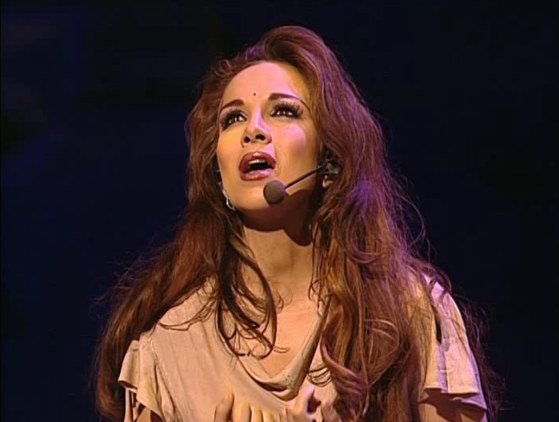
Helene Segara as Esmeralda performing Vivre Notre Dame de Paris picture image

Helene Segara as Esmeralda performing Vivre

Vivre is a gorgeous song and I throw that word around a lot but it really is beautiful. Esmeralda sings this song as a yearning for unconditional love. Love without barriers or social status. Esmeralda wants love and believes in its power  The lyrics have a lovely flow and Helene Segara gives a lot of emotional power to this song.

The main irony of this song is that Quasimodo wants to give her that kind of love but she can’t see it. It’s a little unclear if at the point in the musical she still longs for Phoebus as she never say him specifically and this musical isn’t shy about using names.

Vivre is Esmeralda’s growth song, she wants to live in a world where love belongs to everyone and if she has to die for that she would. And since she talking about loving in a more unconditional way and that as a hope for all humanity, I think it more than her singing with Phoebus in mind. I do wonder that if Esmeralda and Quasimodo had more time together Esmeralda could have loved him. I don’t think book Esmeralda could have without some more maturity but this Esmeralda I think could have.

Both of the songs are great foils for each other and flow wonderfully into each other which makes the next song very jarring.

Get the whole GLORIOUS ALBUM HERE

Visite de Frollo à Esmeralda (Visit of Frollo to Esmeralda)

Daniel Lavoie as Frollo Esmeralda as Helene Segara Notre Dame de Paris picture image Visite de Frollo à Esmeralda

Daniel Lavoie as Frollo and Esmeralda as Helene Segara

I once had the je t’aime as a ringtone, it was awesome. I want to say that any good version of Hunchback should have a jail scene but what I really mean is a confession scene. In that scene the lines do not have to be line for line of the book but lines that capture the mood energy of the scene. That’s what separates a good confession scene like the 1939 version from a meh one like the 1977 version.

However Visite de Frollo à Esmeralda is the perfect version, it gets the scene down perfectly. They only thing that is different is that Frollo isn’t as threatening or a scary as he is in the book, he is done right crazy. Here is just more sexually-repressed which gives was to crazy laster one but he doesn’t have the ice gaze with fiery eyes, however that more on a perform level than the intention of the show, but I don’t mind it, Lavoie’s Je t’aime is powerful, it’s great.

As far as the song goes, it is a lead in to the next song. It has the same off-ness that the other songs have had, defiantly a tone of this part of the musical. But it a a really good lead in.

Un Matin tu Dansais (One morning you danced)

Esmeralda and Frollo Un matin tu dansais Helene Segara Daniel Lavoie Notre Dame de Paris picture image

Esmeralda and Frollo

Un Matin tu Dansais is the really the confession scene proper. In it Frollo confesses his feeling and thoughts towards Esmeralda, she rejects him and he tries to force himself on her, so we get the port de rouge scene mixed in. You got love Lavoie acting here when she pushes him away and he touches the spot where Esmeralda pushed him.

Again. like the lead in, the tone of the song has that off-balanced vibe that we all have come to love, haven’t we?

I don’t have any complaints about this song, the tone it perfect, I really enjoy the acting and the staging. If I did have one issue it would that Esmeralda isn’t scared of Frollo, which fits her character in the musical but not the book.

Libérés (Liberty)

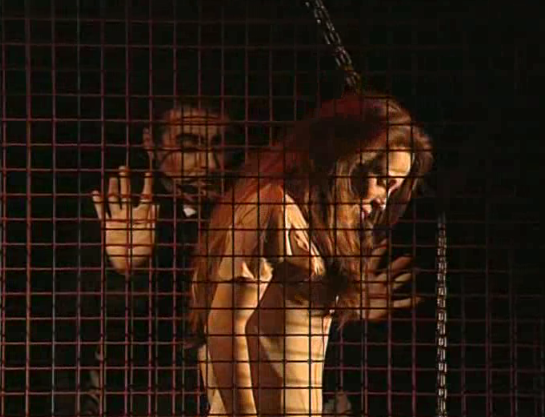
Quasimodo freeing Esmeralda Liberes Helene Segara garou Notre Dame de Paris picture image

Quasimodo freeing Esmeralda

Libérés is a great high energy song that is the perfect contrast to the songs that have some before however I do have some issues with it.

In the song, Quasimodo sets Clopin and his people free and then they save Esmeralda. The song is about revolution and their rights to asylum. The singer just sings this some with such power and conviction that it’s great. Also the staging and use of the space is awesome. They remove the iron bars and people suspend down the climbing wall which is cool.

Now it may seems like have a lot of issue with this song but I nitpick and just watching the musical you would more than likely not even think about these things.

1, As powerful as this song is, it is weak if you compare its counterpoint in the book where Quasimodo descends from Notre Dame and save Esmeralda right before she about to be hanged and proclaims Sanctuary. Here he just opens a cage door and the Clopin is the one to actually save Esmeralda.

I get why they did it this way, practicality and budget.

2, On contextual level, how did Quasimodo know where to go and when to show up?
Last time he was on stage he was in Notre Dame asking where Esmeralda went off to.

One could speculate that Gringoire told him as Clopin failed to save Esmeralda with his complaining song but how would Gringoire know that Quasimodo had interest in Esmeralda? Gringoire and Quasimodo have zero interaction with each other except for the Feast of Fools. Gringoire’s part in Libérés seems to indicate that he told Quasimodo BUT Gringoire has a storyteller role in Notre Dame de Paris so is he in this song as Gringoire the character or as Gringoire the storyteller?

Consider this? Gringoire’s part in Libérés is independent of the other singers, he is singing on his own and he off to the the side for most of the song and comes in separately from Quasimodo toward the middle on the song. It seems like he more of a storyteller than a player in the plan.

However the simpler method is typically the more likely so we”l just go with Gringoire told Quasimodo even though it makes no sense, since the play made it a point that Gringoire told Clopin but not Quasimodo, better drama I guess.


Side Note- The English version of this song is really awkward. it sounds like an ad for a Mattress Store One Day sale.

Get the whole GLORIOUS ALBUM HERE

This wedding or rather marriage is both symbolic and quite literal. After Esmeralda is executed and placed in a crypt, Quasimodo seeks in, lays down besides her, embraces her and dies next to her. So no actual fancy wedding takes place but the union is very clear and by god is it bittersweet.

Unlike the other weddings in Hunchback, this one seems like it genuinely came from a place of love even though Esmeralda is a non-player in this union, which I feel should bother me a little bit now that I think about it but it doesn’t really. The two skeletons wrapped in the embrace is so lyrical and tragic that it’s just so beautiful and the ending chapter gets me every single time I read it.

It’s also nice play on the whole “till death do we part” since death literally brought these two together.

I do wish more movies and adaptations would do this ending. We get it in the 1956 version and Notre Dame de Paris. Der Glockner hinted at it and I think, could be wrong, but English version of the Disney musical did it do, I think. I’m pretty Esmeralda dies at the end so why wouldn’t they do it. Then again the 77 version had Esmeralda die and didn’t do it but then again that’s the 77 version for you.

I was over a friend’s house and we decided to play this game a call Smart Ass. It’s a trivia card game and it’s really fun. So it was mine turn to read one of the cards and the player who guessed the answer right  landed a  bonus tile, so I had to read a card from the hard-ass pile. On card you have a choice of two questions  and I kid you not this is the card I drew to read.

Quasimodo Card from the game  Smart Ass picture image

Quasimodo Card from the game Smart Ass


Even though I knew the player knew the answer I had to pick the Hunchback reference. Smart Ass is also really fun, I would recommend it plus it has a Hunchback reference so clearly it’s awesome.

I won the first game, and the next two games I kept getting bad rolls that forced me back three spaces but it’s a really fun game. Photo credit to my pal Jackie ^^.

This part have FIVE songs because of someone’s weird decision to change a song

Ma maison c’est ta maison (My House is your House)
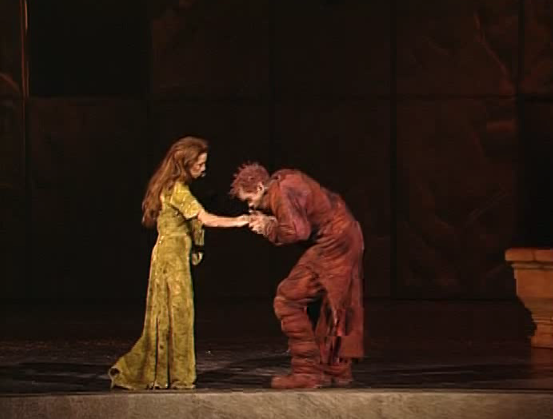
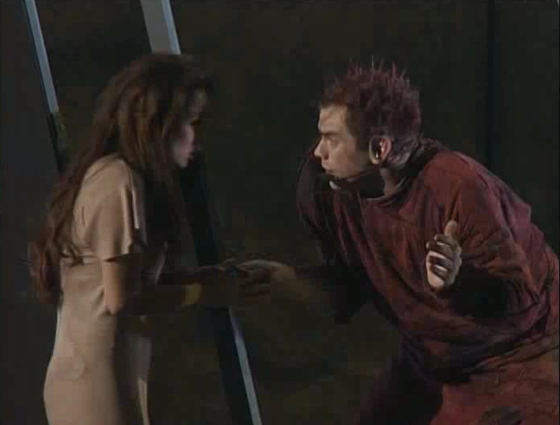
Esmeralda and Quasimodo in Notre Dame Ma Maison c'est ta maison garou helene Segara Notre Dame de Paris picture image

Esmeralda and Quasimodo in Notre Dame

Ma maison c’est ta maison is one of the sweetest songs in Notre Dame de Paris. In it Quasimodo offer Notre Dame as both protection and a home to Esmeralda, very nice. This is the only version really do this as Esmeralda isn’t in any trouble.

It also just a nice duet between Quasimodo and Esmeralda but it offer some character development, like what Notre Dame means to Quasimodo, like it’s his passion, his air, his prison his homeland etc. Esmeralda admits to being afraid of Quasimodo but through this interacting she changing her mind as he reminds her of the gargoyles which make her laugh when she is bored. That could sound mean but it’s not meant that way.

Melodically the song is very gentle and sweet. Unlike the other songs in the song the built isn’t with music, it’s Esmeralda and Quasimodo singing together which is a nice little change.

This song also makes Notre Dame seem great, cool in the summer and warm in the winter, I live in New England so that sound wonderful as we have insane winters and crazy humid summers.

One more thing, I really like when Esmeralda takes Quasimodo’s hands, it’s very nice. It’s always nice when the performer have good chemistry and Garou and Helene Segara have really wonderful chemistry.

Ave Maria Païen (The Pagan Ave Maria)
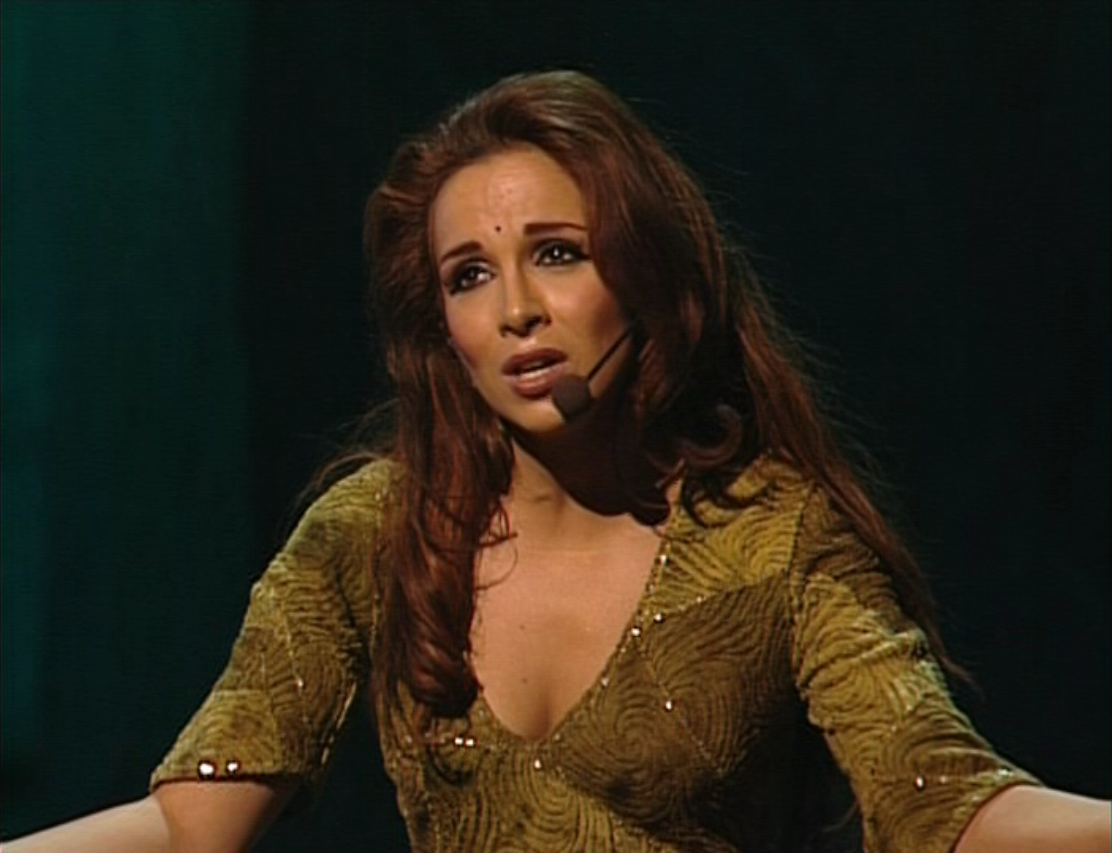
Helene Segara singing Ave Maria Paien in Notre Dame de Paris picture image

Helene Segara singing Ave Maria Paien

Ave Maria Païen is one of Esmeralda’s big musical numbers. It’s a clear homage to the 1939 version when she prays to Mary. Disney had a similar scene but the tone and message was a little different.

In this song Esmeralda ask for protect for herself and she asks that barrier like race, nationality and other creeds that divide people be lifted which is her philosophy. So while she asks for protection and also ask for the welfare of people who get trampled on people in power much like God Help the Outcast.

The song itself is rather simple but gorgeous. Instead of having complex chords and music it instead has a children choir which just adds a lot of beauty and atmosphere. Also Helene Segara sells with song with a lot of passion in her voice.

Jens sens ma vie qui bascule (I feel my life slipping)
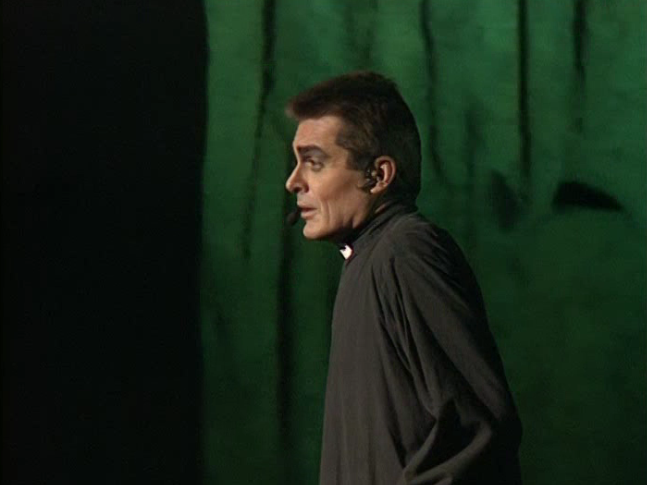
Daniel Lavoie as Frollo singing Jens sens ma vie qui bascule Notre Dame de Paris picture image

Daniel Lavoie as Frollo singing Jens sens ma vie qui bascule

While Esmeralda was praying Frollo was watching her and he becomes more fascinated by her. Really, this bridge song is meant to link Ave Maria Païen with Tu vas me détruire but in some way it’s more of introdution to Frollo’s song. It makes that point that Frollo is becoming vulnerable.

As a bridge song goes, Je sens ma vie qui bascule was perfect for Frollo’s character and the flow of the show and then they ruined it.

Si Tu Pouvais Voir en moi (If you could see inside me)
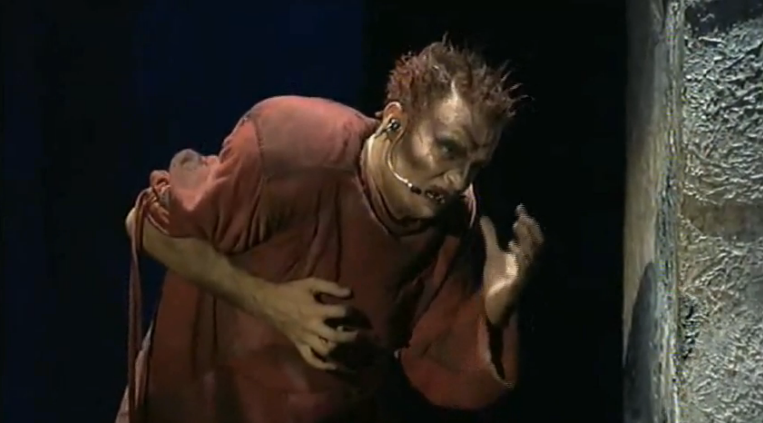
Gio di Tonno as Quasimodo, Notre Dame de Paris Itlaian version picture image

Gio di Tonno as Quasimodo, Notre Dame de Paris Itlaian version

Sometime in 2001 someone changed Jens sens ma vie qui bascule to Si Tu Pouvais Voir en moi song by Quasimodo, who is now the one watching Esmeralda pray taking Frollo out of the scene which makes his following song come out of no where which makes for sloppy flow.

But more than that this song is basically Quasimodo calling Esmeralda out for being shallow and not loving him as every other guy’s love is not true like his. This song is just fucking pointless, we already know this from Belle. I just don’t understand the thought process of ruining the pacing, the following song, and ruining Quasimodo’s character. Quasimodo is calling her shallow for not seeing inside and yeah Quasimodo did something like that in the book with vases but this song feels wrong for his character.
Really it would have been fine for Quasimodo to watch Esmeralda pray but it ruined too much to be meaningful to the show. I HATE this song, hate, hate, hate. Boo!

Tu vas me détruire (You will destory me)
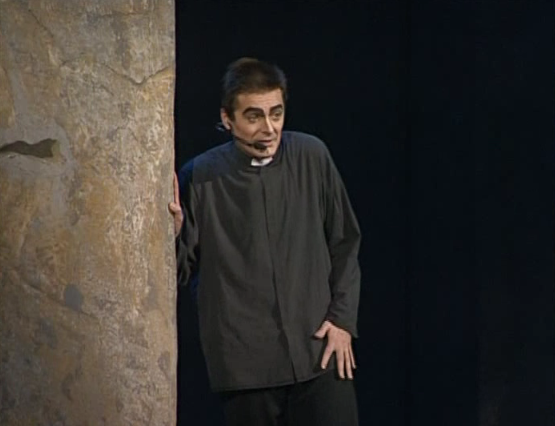
Daniel Lavoie as Frollo Notre Dame de Paris picture image

Daniel Lavoie as Frollo Notre Dame de Paris

This is Frollo’s first big solo number. In Tu vas me détruire, Frollo sings about how his obsession is going to destory him and he on the one hand cares as he curses her but on the other he doesn’t care. He is going to sink into his obsession without any remorse.

The performer playing Frollo typically put their own spin while singing this song. Some are more angry while others are tragic. What I like about Lavoie’s version is that he has a great combination of pathos and desperate anger which is perfect for the character. I also like the way he hold his hand with a lot of tension like he trying to retain what little control he has left.

The staging is also really great. As Frollo sing pillars are trying to crush him. Literally his issues of purity and purity are trying to kill. If you really look at those pillars, you can see eyehole and a doors.

The music has a weird mix of being gentle but really off and I don’t mean off like the timing but like a stirring madness which again is perfect for the character and mood.

When I was first into this show, this song was one my favorites.

Get the whole GLORIOUS ALBUM HERE

Anarkia

Bruno Pelletier as Gringoire & Daniel Lavoie as Frollo performing Anarkia Notre Dame de Paris picture image

Bruno Pelletier as Gringoire & Daniel Lavoie as Frollo performing Anarkia


Ok, I love this bridge but it is 43 seconds of three completely different subject matters.

Subject Number 1; 0:00-0:17

Frollo asks Gringoire about Esmeralda. Gringoire says that she is his wife and Frollo orders Gringoire not to touch her which Gringoire would never permit himself to do but not for the lack of trying, am I right?

Subject Number 2; 0:18-0:33

Gringoire asks about the word craved on the wall, Anarkia. Frollo tells him that it means “fate” in greek. Which is a simplified definition of the word but it’s not wrong.

Subject Number 3; 0:34-0:43

Gringoire sees Quasimodo being taken away and Frollo says (or sings) that God know why he got arrested but the jerk knows.

Anyway three magical subjects and my goodness do they not blend together at all. I mean they needed a song likeAnarkia but this song suffers from Attention Deficit Disorder. I mean I love that they put concept of Ananke in the musical but it so shoe-horned in.

ReallY just find the three subjects throw together hilarious but it does get us to the next scene, it sort of lifted from the books and helps the plot so I don’t hate it.

A Boire (A Drink)

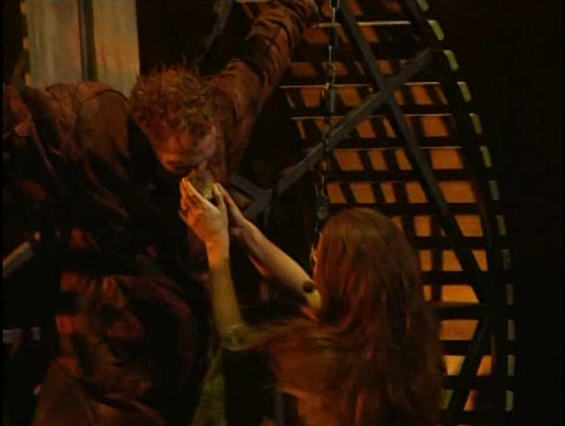
Garou Helene Segara Quasimodo and Esmeralda Notre Dame de Paris picture image

Quasimodo and Esmeralda

This scene is one of the most important scenes in the book as it’s when Quasimodo falls in love with Esmeralda after she gives him some water and pity. The song itself is fine, Quasimodo is emotional and pathetic as he tied to the pillory. I like how he is rocked back and forth as it’s a nice visual.

There isn’t really too much to A Boire though. It has a nice tonal shift with a march at the beginning then become sad and haunting. But that is pretty much it. It feels more like a bridge song to get us to the song of the show.

Belle

Notre Dame de Paris Belle Esmeralda Helen Segara, Garou Quaismodo, Frollo Daniel Lavoie Phoebus Patrick fiori picture image

Garou as Quasimodo , Daniel Lavoie as Frollo, Patrick Fiori as Phoebus and Helene Segara as Esmeralda performing Belle

There is very little contest over what the star of the show is and it is Belle. For many it was that first song they heard from the show, myself included.

Belle is a highly emotional song as it perfectly expressives the feelings for Esmeralda from three different perspectives. Quasimodo sings about a tenderness with underlying sexual desires, Frollo sings about a conflictions of desires against seeing her as combination of evil and pure and Phoebus just can’t resist wanting to have sex with her even though it hurts his fiancee.

These perspectives are not only perfectly captured by the lyrics but the key changes. Quasimodo is sweet and melodic, Frollo is a little stronger and his a heavy drum beats, and Phoebus has a more rock-like vibe.

The staging is also wonderful. Pending on the version, Quasimodo either sits on top of the pillory for his part or his hands are still tied but he can make lunges towards Esmeralda. With him on the pillory it makes the part seem more dream-like but the other way makes him seem more protective towards Esmeralda. Frollo and Phoebus more of less just stare intently at Esmeralda, though Frollo knells before her and Phoebus motions toward Fleur-de-Lys. At the end when they all sing together Esmeralda lies on the floor in a crucifixion like pose as the three mean close in around her, foreshadowing these loves are fatal for her.

If I had one criticism of this song, it’s that I don’y have any criticism of it. It’s pretty perfect. Well maybe one but it has to with the staging, what are those guys doing with Fleur-de-Lys. they like push her around and then Phoebus saves her? Huh? Is it to show Phoebus likes Fleur-de-Lys while still desiring Esmeralda, because we kind of got that already. It’s just weird. But again that is staging and not the song.

Get the whole GLORIOUS ALBUM HERE

Doing four songs this week.

La Fête des fous (The Feast of Fools)

garou Bruno Pelletier Gringoire spotting Quasimodo during the Feast of Fools Notre Dame de Paris picture image

Gringoire spotting Quasimodo during the Feast of Fools

Much like Bohémienne, La Fête des fous is a fun uptempo number with a lot of dancing. It brings us to the start of the book so to speak.
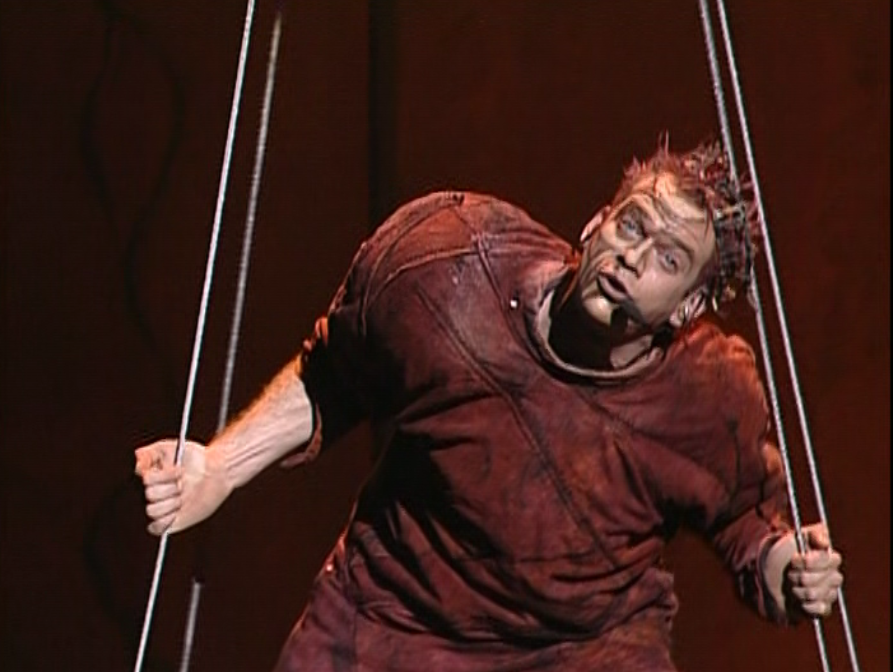
Unlike the book Gringoire isn’t merely having his play ignored, he is running the show much like Clopin in the Disney version. This song also introduces us to Quasimodo, who make his first appearance on stage during this number. AT first he walks down, through the openings of the rock climbing wall of Notre Dame. To be honest it’s not that dramatic but then again there was no build up to Quasimodo so it’s not that bad. Also it might be different if you’re sitting in the audience and you see this shadowing figure vs having a fixed perceptive with edits. Though the flip side of that is you get to see Quasimodo’s expressions which are adorable.

I really do love the lighting, the dancing and Gringoire’s energy in this number however this song is not a favorite of mine. It’s really one note and even for this musical it’s SUPER receptive, take a drink every time they sing La Fête des fous and you will smashed in less than three minutes.

Request – Someone make a Notre Dame de Paris drinking, please drink responsibly

Le Pape des fous (The Pope of Fools)

Garou as Quasimodo Notre Dame de paris picture image

Quasimodo as the Pope of Fools

I mentioned last time about a top ten worst songs of Notre Dame de Paris list, well Le Pape des fous ranked in at number #10.

Why? There are a few reasons but number one, for an introduction song it’s a stall and it gets a very core aspect of Quasimodo’s character just wrong and for a show that is regarded as one of the most accurate to the book it’s just a big problem. That being Quasimodo express a desire for Esmeralda prior to her doing anything nice. Maybe I’m just a book purest but he is basing his affections of her looks but get mad at other for judging him on looks.

The one things I like is that Quasimodo gets a little mad and hoisting him into the air but it’s still a dull introductory song that got its character wrong. On the other hand, most people think this song shouldn’t have been on the worst list.

La Sorcière (The Sorceress)


Frollo, Quasimodo and Esmeralda La Sorcière Notre Dame de Paris picture image

Frollo plots to kidnap Esmeralda with Quasimodo’s help

Ah yeah this song, at one point I had that opening guitar rift as my ring tone. I also love Frollo’s point, classic him. Also spit sync, delightful.

So while I do like La Sorcière it’s a silly little bridge song meant to move the plot forward. It also gives us some insight into Frollo and Quasimodo’s relationship which flows into the song.
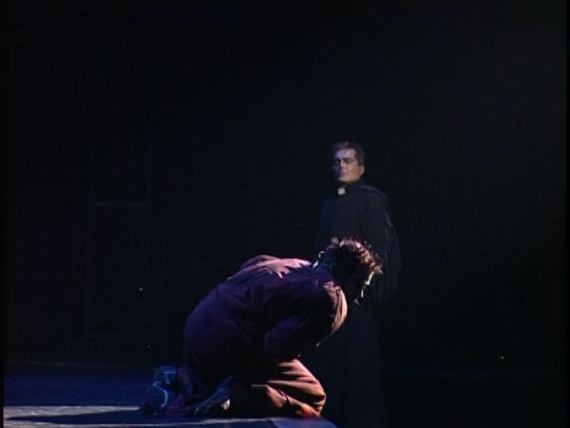
L’Enfant trouvé (The Orphan)

Frollo and Quasimodo L'Enfant trouvé  Notre Dame de Paris picture image

Quasimodo swearing devotion to Frollo

The reason why we have four songs this week instead the three* is because La Sorcière and L’Enfant trouvé flow into some much that it’s like they are one song. THough there is a melody and subject shift that it is clear but the way the transition is done in La Sorcière it mean they are companion songs.

Anyway L’Enfant trouvé goes deeper into the Frollo and Quasimodo. It’s the same as it in the book really. However Quasimodo adds that he doesn’t know Frollo’s heart. It’s really great how Frollo is like cold and emotionless as Quasimodo bares his devotion out to him. Gotta love Quasimodo emotions in this song. Is it the best song in the show, nope but it‘s okay.

(Four songs might be a norm, damn bridge songs)

Get the whole GLORIOUS ALBUM HERE